

Our Mission
Vision and Strategy
To improve HPB Oncology patient care and outcomes through collaborative innovation.
Challenges We Address
- Enhancing Multidisciplinary Collaboration in a competitive healthcare landscape.
- Overcoming barriers to clinical trials and research in Canada.
- Standardizing training programs for robotic and vascular surgery.
About the Schwartz Reisman HPB Research Innovation Centre
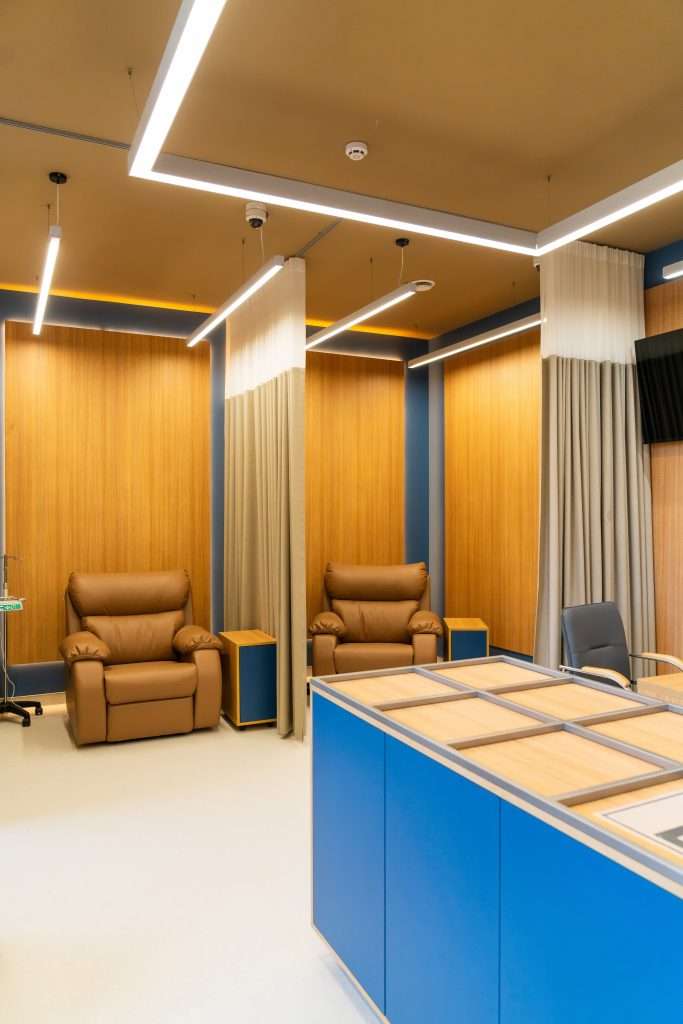
Physically located at The Toronto General Hospital at UHN, with resources spanning across UHN (Princess Margaret Cancer Centre), the Centre serves as a multidisciplinary hub, bringing together a broad range of experts from various fields to revolutionize HPB cancer care and research.
Our Pillars
A Transformative Research Hub
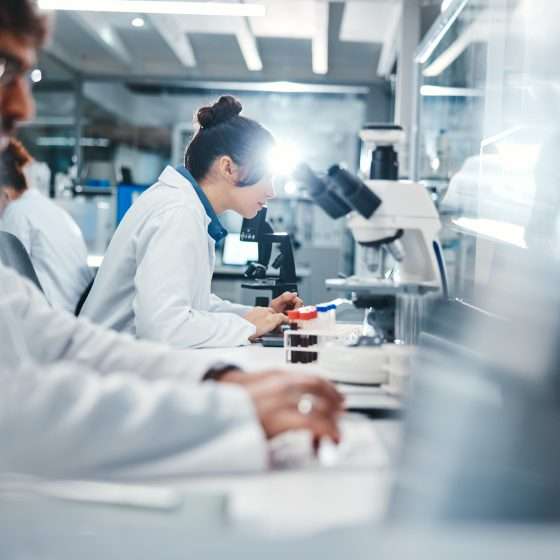
Patient-Derived Organoids for Personalized Medicine
Development of laboratory models to predict individual treatment responses for pancreatic and liver cancer patients.
Genomic Profiling and Biomarker Research
Molecular profiling of HPB cancers to identify genetic markers for early detection and targeted treatments.
Liver Cancer Data Repository
A comprehensive 30-year database analyzing 1,400+ patients for insights into treatment outcomes and survival rates.
Clinical Trials and Innovations
AI-driven treatment planning and wearable technology for real-time monitoring of HPB patients.
We pride ourselves at helping to aid in all levels of education in the medical field.
Medical Students
- Surgical Clerkship Preparation Workshop
- Focused on OR orientation, case presentations, and hands-on practice
- Significant improvement in confidence (2.74 to 6.41, P<0.01)
Residents
- Vascular Anastomosis Workshop
- Advanced simulation training for surgical precision and technique enhancement
Fellows
- Robotic Surgery Bootcamp
- Addresses the lack of standardized robotic surgery training in Canada
- Proven to reduce anxiety and improve surgical competence
Donor Workshop
- First-of-its-kind at UHN, now expanding internationally
- Demonstrated significant increases in competence and confidence
At the Schwartz Reisman HPB Research Innovation Centre, educational programs are at the core of our mission, fueling the development of the next generation of experts in hepatobiliary (HPB) cancer care. With a strong emphasis on post-doctoral fellowships and student training, we are committed to fostering the growth of emerging leaders in this field, equipping them with the knowledge and skills necessary to tackle the most complex challenges in HPB cancer research and treatment.
Transplant Oncology Collaboration
 One of our most exciting and unique educational initiatives is the Transplant Oncology Collaboration, a multidisciplinary effort to unite experts from diverse transplant fields—including liver, lung, heart, and kidney transplants—to share experiences and drive innovative research. Medical oncologists, radiation oncologists, surgical/transplant oncologists, anesthetists, and basic scientists are working together to expand patient eligibility and improve outcomes for oncology transplant patients.
As part of this collaboration, we have launched monthly Transplant Oncology Rounds, a forum designed to facilitate the exchange of ideas, discuss complex cases, and explore cutting-edge research initiatives. This initiative also extends to educational resources for both patients and the medical community. Leveraging platforms such as TVASurg and other online learning modules, we are creating accessible educational tools that will help promote better understanding and treatment of oncology transplant patients.
In the near future, we will be launching our first Transplant Oncology Grant Competition, calling for proposals to fund and advance transplant oncology research. This will be a key step in continuing to support innovation and excellence in the field.
Virtual Reality (VR) in Education
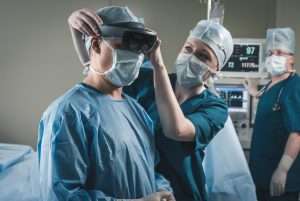 In addition to our collaborative initiatives, the Centre is at the forefront of using virtual reality (VR) technology to revolutionize medical education. Our VR-based models have been developed from patient imaging, allowing trainees and medical professionals to visualize and interact with anatomical structures and perform virtual surgeries, all within a collaborative VR space. This technology enables multiple participants to engage in the same virtual environment, regardless of their geographic location.
For example, we’ve already hosted the world’s first trans-Atlantic HPB multidisciplinary conference, using VR to bring together experts across continents for a real-time, immersive learning experience. Additionally, we’ve created VR models that allow trainees to visualize and, to a certain extent, practice performing HPB surgeries in a simulated environment.
These VR-based educational tools are currently undergoing validation through research led by Dr. Chaya Shwaartz, HPB/Transplant Chapter Editor. This innovative approach has the potential to significantly enhance the training experience, offering an unprecedented level of interactivity and realism in medical education.
Through these cutting-edge educational programs and collaborations, the Schwartz Reisman HPB Research Innovation Centre is shaping the future of HPB cancer care and training, fostering a community of experts who will lead the way in research, treatment, and patient care for years to come.
Toronto Video Atlas of Surgery (TVASurg)
A global leader in surgical training through high-definition, 3D-animated educational videos.
Collaboration across Disciplines
At the heart of the Centre’s success is its collaborative approach. We bring together a multidisciplinary team of researchers, clinicians, laboratory scientists, pathologists, nurses, dieticians, and oncologists—including medical, radiation, and surgical specialists—who work closely together to solve the most pressing challenges in HPB cancer care. This collaboration extends to multidisciplinary cancer conferences, trials, and case reviews, fostering an environment of innovation and creativity.
By studying a patient population of over 1,000 newly diagnosed patients each year, we are able to address the larger research questions and explore new treatments and therapies. This synergistic approach allows for lessons learned in the clinic to be directly fed back into the laboratory, creating a continuous loop of discovery that accelerates breakthroughs in cancer care.
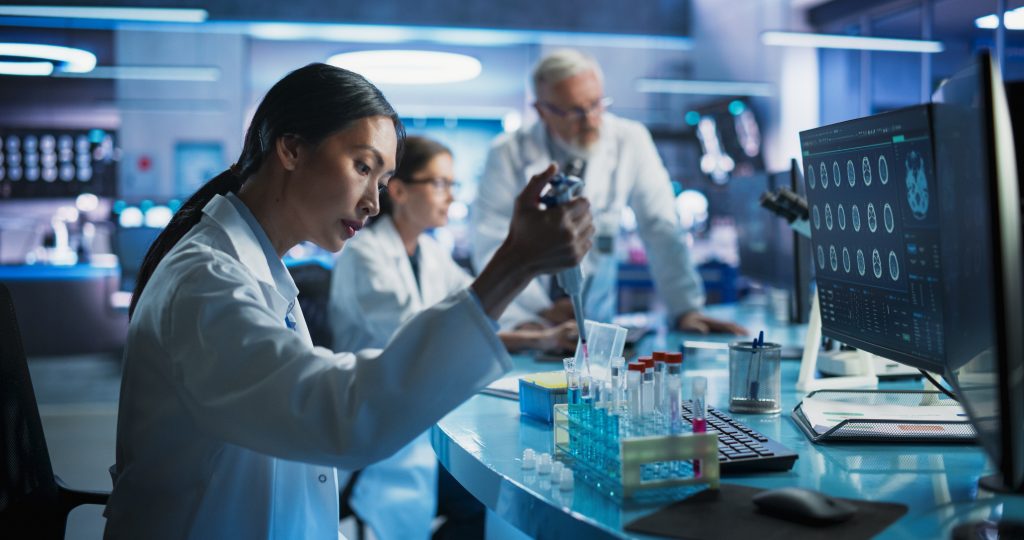
Leadership Team:
Cancer is not a puzzle that will be solved by one person, one team or even one institution. Conquering cancer will take an entire world of clinicians and scientists, working together to reveal the underlying mysteries of this complex set of devastating diseases. That is why the leadership of the Schwartz Reisman Centre is committed to accelerating discoveries in HPB cancers by leading collaborations with other institutions at the provincial, national and international levels. They are building on their considerable collective experience with continuous innovation, employing cutting-edge technology and analysis to translate new findings into better outcomes for patients at The Princess Margaret and across the globe.
Shwartz Reistman Co-Directors

Anna Dodd
Sr. Research Program Manager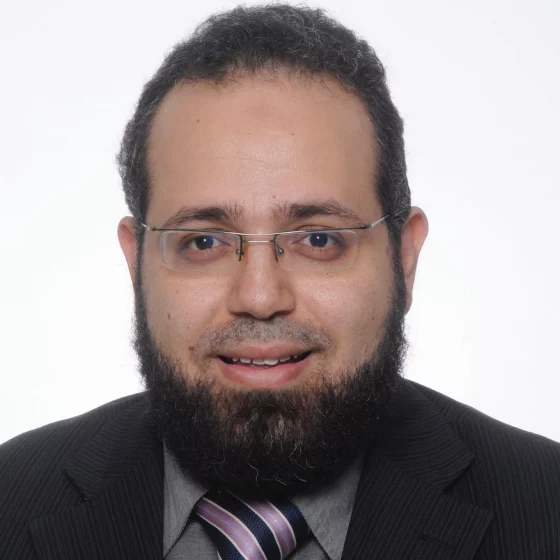
Ali Hosni
Radiation Oncologist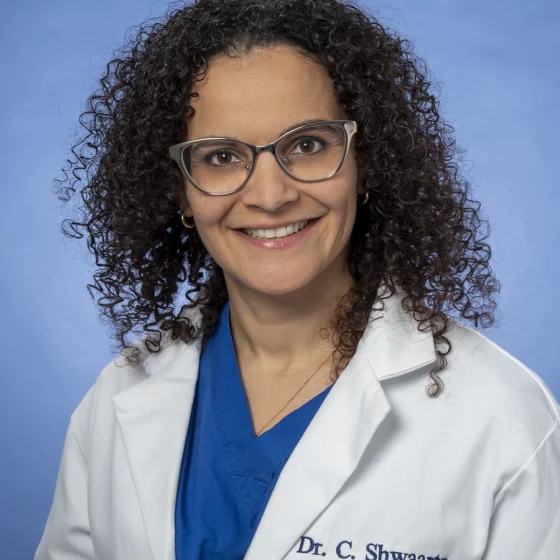
Chaya Shwaartz
HPB Surgeon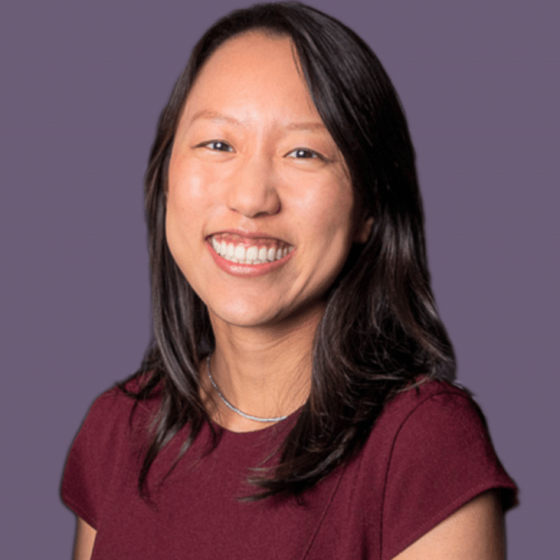
Erica Tsang
MedicalOncologist